Showing posts with label food. Show all posts

23.11.10

How to host Thanksgiving like an Israeli...

(From http://simplyrecipes.com/photos/pumpkin-pie.jpg)

Ok, so if you really want to host Thanksgiving like an Israeli, don't host it at all. (Yeah, that whole "It's an American holiday" thing.) But unlike Easter, Christmas, Halloween, New Year's Eve, and Valentine's day-- also holidays not really celebrated here-- I feel Thanksgiving is worth keeping, in a nostalgic and let's-force-Israeli-friends-to-eat-American-food kind of way.

The problem is that celebrating Thanksgiving in Israel is a lot like celebrating Jewish holidays in America-- this country really isn't set up to take Thanksgiving into account. So here's a way around a lot of the problems you might encounter if you try to host Thanksgiving dinner in Israel.

1. Be flexible about dates. Thursday night is a great night to have people over, because it's right before the weekend (Friday to Saturday). However, chances are, something else will already be scheduled for that night, even if you're doing something with the English-speaking community. (Those Brits just don't seem to understand the importance of gorging oneself with Turkey in solidarity with Pilgrim forefathers.) I have a memorial service to attend this Thursday night, so we're doing our Thanksgiving dinner on Friday night.

2. To buy a turkey, go to a butcher shop. Preferably one that specializes in turkey and poultry. And you'll need to order it in advance and probably pluck a few final feathers when you get it. Sadly, no, turkeys don't go on uber-cheap sale around the holiday-- I'll pay 25 shekels a kilo for mine. But you can shock all of your Israeli friends with the size of a full turkey! And, er, don't forget to specify-- several times, in as many languages as possible-- that you want a whole turkey in one piece.

By the way, last year the butcher thought I was crazy. This year he invited himself over for Thanksgiving dinner. Progress?

3. To find cranberries, look for Russians. And then follow them until you figure out where they shop. This year I bought my frozen cranberries at a little Russian macolet (mini-market), and while they appear to be manufactured in Israel (and are kosher parve and everything), the writing on the clear plastic container is Russian, not Hebrew. You can find dried cranberries in almost any supermarket.

4. If you need sausage for your stuffing, buy chorisos. Last year I went on an epic sausage-finding mission in which I ended up using pieces of kabobs, kabanos and kishkes in my stuffing. It tasted fine (it's pretty hard to mess up stuffing), but later this year I realized that choriso sausages-- available in the frozen food aisle-- actually have the right taste. Israelis don't do breakfast sausage or turkey sausage, so you need to be a bit creative.

5. Find sage fresh, not dried. Sage is another one of those crucial "Thanksgiving" flavors, but for some reason you'll find it more readily in the fresh leaves section (or even in a greenhouse) than in a bottle, dried.

6. Make your pumpkin pie from scratch! You will not find pre-prepared crust, canned pumpkin, or pumpkin pie spice in any ordinary Israeli supermarket. You will, however, find large chunks of ginormous pumpkins (wrapped in seran wrap, in the fresh foods section), butter, flour, and every spice that goes into pumpkin pie spice. While our pumpkin isn't technically sugar pumpkin, I've found it makes a mean pie filling. Just steam it and then (this step is important) puree it in your food processor... the texture of our pumpkin is stringier than a sugar pumpkin. Last year I used this recipe for my pumpkin pie, and it was delicious. Oh, and two things-- 1) if you use an Israeli-size pie pan, double the recipe for filling and crust... those pans are huge. 2) Don't expect actually Israelis to like your pumpkin pie. To them it's a little bit like eating, say, a sweet broccoli custard. They don't get it.

7. Make sure your turkey actually fits in your oven. You have an Israeli-size oven. This is an American-size bird. Make sure you do the math. :) Also, you won't have any automatic timer to tell you when the bird is ready, so make sure you know how long it will take to cook.

Now if anyone can help me find real apple cider in this country, I'll be eternally grateful!

Happy Thanksgiving, everyone. :) Is anyone else hosting a Thanksgiving in Israel or for Israelis?

25.5.10

How to tip like an Israeli

 Yeah, your ulpan teacher may have told you that the 
Hebrew for "tip" is "tesher," but it's not: it's "teep."

This is one of those random topics that seems inconsequential, but it's what visiting friends tend to ask about the most. So, here's a quick and easy guide to tipping like an Israeli. Hint: it involves exact change!

1. Most Israelis tip between 10-15 percent. This is something I'm still uncomfortable with... I get flashbacks to my college friends working in Chinese restaurants for 2 bucks an hour, plus tips and assorted leftover boxes of beef broccoli, and I almost always leave 15 - 20 percent as my tip. In my experience, though, most Israelis tip less.

2. Guard your tip with your life. When some of my Israeli friends leave tips, they cover their assorted shekels with their hands, flag over the waiter, point at the money, and in general operate with covert prowess. I guess the thought is that someone else might walk along and scoop up the ten shekels if you aren't careful. I don't worry about this one much either, but it's worth mentioning.

3. Most important of all... that little line below your total on your restaurant credit card receipt? It's not for your tip. I always wonder how many Americans shortchange their servers out of blissful ignorance this way. Yes, in the US this line usually lets you add in a tip to your credit card total, but here this line on your credit card receipt is for your telephone number. Which, by the way, you should never write down on any receipt unless someone insists... that would be giving away information. I've never found a way to tip using my credit card in an Israeli restaurant, so bring cash.

4. Aside from restaurants, you're expected to tip workers in a number of other random transactions. Honestly, I still haven't figured this one out, so your best bet is just to ask the person recommending something to you whether you should tip. For example, we paid our movers 700 shekels and then tipped each worker and the driver 50 shekels each-- another 150 shekels. (They were worth their weight in shekels, btw... hiring movers was one of our best decisions. Aleks could lug 20 boxes up two flights of stairs in one trip like nobody's business.) Other transactions, such as getting our washing machine fixed or receiving a mattress delivery, didn't involve tipping. Remember, though, even if you don't plan to give a service person a tip, make sure you offer them coffee... failing to do so would be simply inhumane.

Ok, this appears to be a very simple topic. Is there anything I left out? How much do you usually tip in Israel?

6.5.10

Foods surprisingly hard to find in Israel (and foods to try instead!)

One reason that I use a lot of Israeli cook books (in addition to the fact that they help me learn words like "diced," "sauteed," and "minced garlic" in Hebrew) is that some common ingredients in the US are hard to find in Israel... and some common ingredients in Israel are really hard to find in the US. Here are a few foods I was surprised to have trouble finding here, along with suggestions of Israeli foods you could eat instead.

Caveat: you usually can find these foods, especially if you go to a big grocery chain specializing in imports, like Tiv Ta'am. But it's harder, so why not adjust to Israeli supermarkets??

Hard to find: bagels & lox


This one took me by surprise when I made aliyah, because in US bagels and lox seemed like the most Jewish food in existence (after, maybe, matzo ball soup). Here, bagels themselves are almost impossible to find! Jewish state, indeed.

Instead, try: ikra! (Hebrew: איקרה)


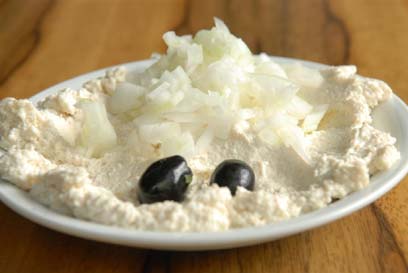
I first ate ikra on Yom HaAtzmaut, at a barbecue with a bunch of Romanian Israelis. It's a salad made from fish eggs, cream, lemon juice, and a few other ingredients-- here's a recipe (in Hebrew) from Yediot Ahronot. The Romanians called it "poor man's caviar," but I'd say the taste is actually very cream cheese-and-lox-esque! You can find ikra in the salads section of any supermarket-- in our local super, ikra is behind the deli counter, next to the cheese and smoked fish. Good luck finding a bagel to eat it with.

Hard to find: molasses

I've actually never been able to find molasses in Israel (though I haven't looked all that hard in Tiv Ta'am, and my ginger snap cookie recipe has had to slum it with dark brown sugar instead. I guess Israeli grandmothers don't go for this "surprise" natural sweetener-- whatever that means. 

Instead, try: silan! (Hebrew: סילאן)

 
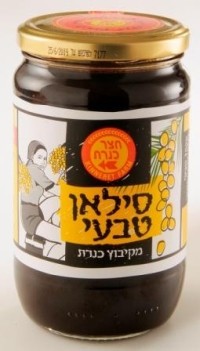
Silan is date honey, and while it's a common ingredient in Israeli recipes (particularly savory recipes that need just a bit of sweetness), I never knew it existed before I made aliyah. It has a milder flavor than molasses or even honey, so I'm not suggesting it as a molasses substitute, but it's awesome on yogurt, in meat dishes, in desserts. Try to get 100% silan rather than a mixture of silan and sugar-- for some reason, I am able to find pure silan in our super around passover, but not at any other time.

Hard to find: grated mozzarella (forget about fat free!) 

 It's actually pretty difficult to find any kind of fat free dairy products in Israel. 1% milk, yes-- you can even buy it in plastic bags! Skim milk, what? You can find fat free yogurt, but you're much more likely to find 1.5% or 3.5% yogurt. Fat free cottage cheese is unheard of, though 5% is very common. I guess Israelis just aren't willing to sacrifice that much taste. Add to this the fact that mozzarella cheese isn't very common here, and you'll need to find a substitute for all your diet recipes that call for low fat mozzarella. Never fear!

Instead, try: crumbled emek! (Hebrew: פתיתי עמק)

Emek is more flavorful than mozzarella, and I'd say it's one of the major reasons why Israeli pizza is so delicious. Emek packages are marked with the percent of fat in the cheese, and the lowest-fat good-tasting variety is 22% fat. (Stay away from 9% emek. I think it's mostly plastic.) 22% fat sounds scary, but it's actually fairly equivalent to part-skim mozzarella-- according to nutritiondata.com, 100 grams of part-skim low-moisture mozzarella is 302 calories and 100 grams of regular part-skim mozzarella is 254 calories, while 100 grams of 22% emek is 299 cals. And did I mention that Emek tastes much better? On the other hand, if you want cheddar cheese or (chas ve'shalom) processed American cheese food, perhaps aliyah is not for you.

Hard to find: chili powder


I've actually made my own chili powder spice mix-- you can easily find recipes for chili powder online. But you won't find anything exactly like American chili powder on our shelves.

Instead, try:  Tunisian Harissa Seasoning! (Hebrew: תערובת לאריסה תוניסאית)

Tunisian Harissa (in Hebrew, "Larisa Tunisait") is a chili pepper spice mix pretty similar to chili powder, but (big surprise!) more flavorful. Use it on fish, in soups, anywhere you want a bit of a kick.

Hard to find: fresh pineapple


We buy canned pineapple all the time, so you certainly don't need to go without pineapple in your salat peirot here, but you probably won't find fresh pineapples at your local veggie shop. Pineapple grows in hot, moist climates, while Israel has a hot, dry climate. So your oranges, avocados and bananas were probably picked yesterday at a farm an hour away from your veggie shop, but you won't find pineapples. I mention this because pineapples are just about the only fruit I don't find here, with the exception of more delicate berries like raspberries. Have I mentioned that I LOVE Israeli fruits and veggies?

Instead try: fresh shesek! (Hebrew: שסק)


In English, shesekim are actually called loquats, but you didn't know that anyway, did you? These taste nothing like pineapples, but they're absolutely amazing little fruits with a taste like a slightly tart, extra juicy apricot. Here's a gushy article about the loquat from NPR's foodie show, The Splendid Table, which makes them sound all exotic and rare. I bought a kilo of loquats from a fruit stand by the side of the road. They're slightly messy to eat because you pull out the seeds and the ends before popping them into your mouth, but they're delicious. Other fruits to try in Israel: persimmons, pomegranates, sabra fruit, passion fruit, and those big stinky wrinkly fruits that you should avoid storing in a close space...

Hard to find in Israel: corn chips.

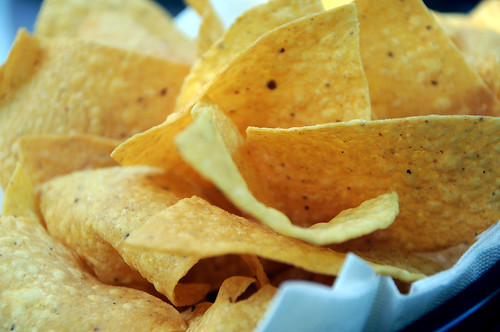
My husband and I don't buy much snack food, but we once tried to find tortilla chips to serve with dip for a party. Eventually we realized that while supermarkets in this country sell dozens of varieties of potato chips, corn chips are basically nonexistent. Sorry. 


Instead, try: bissli! (Hebrew: ביסלי, meaning "my bite")

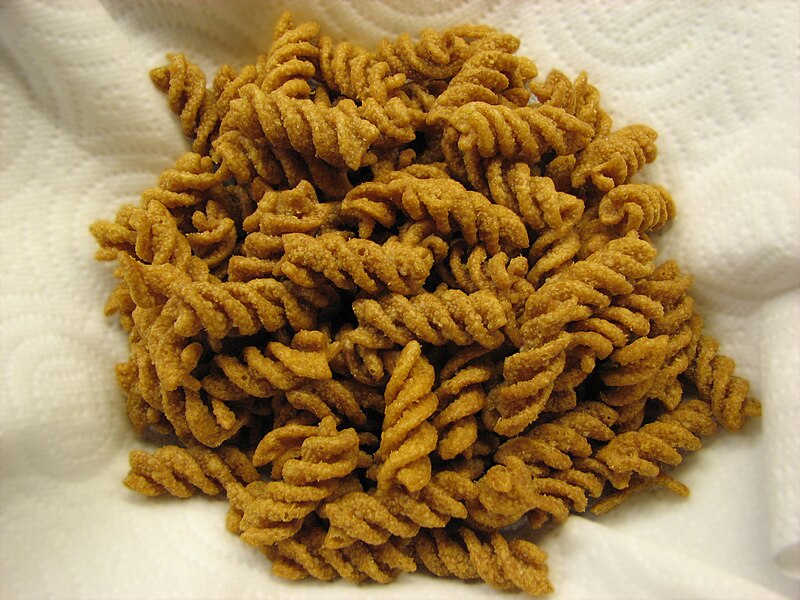
Bisli are traditional Israeli snacks that started out as deep fried, spiced pasta back in the days when Israel really didn't import food from abroad. Each flavor has a different shape, and they're all delicious. Oddly enough, even though chips and salsa (let alone tacos) are pretty much unheard of here, you can find taco-flavored bisli. If you want to get the full Israeli experience, on the other hand, try the falofel flavored bisli. Just don't plan to breathe on anyone for a while afterward.

Hard to find in Israel: M&Ms, peanut butter cups, peppermint paddies, snickers bars...


If you're considering aliyah, take a deep breath, look at the picture above, and ask yourself if you can live without everything in it. Now stop hyperventilating. Breathe into a bag! In! Out! In! Out! I've never found M&Ms, Hershey's kisses, or anything combining mint and chocolate in a regular Israeli supermarket. However, never fear...

Instead, try: Israeli chocolates! (Hebrew:  שוקולד)


I grew up a few hours from Hershey, PA, so I feel a little disloyal for saying this, but Elite brand Israeli chocolates can definitely give Hershey a run for its money. If you want peaunut-chocolatey goodness (along the lines of a snickers bar), try a pesek-zman bar. If you want a kit-kat, try a kif-kef. Personally, I love the 60% dark chocolate bars... I almost always have some in the house. But if you want an M&M or a Hershey's kiss, well, you're still out of luck. But did I mention that we have chocolate spread?

I could go on. For example, it's not easy to find drip coffee here, although we have some pretty good instant coffee-- I highly recommend Jacobs brand (the green lid, not the gold). You won't find "Italian Seasoning" on our shelves, but you can always mix together basil, oregano, and paprika... or go for a middle eastern spice blend, zatar. You won't find tylenol, but we have acamol. You won't find graham crackers, but Israeli tea bisvitim usually do the trick. For everything American you can't find in this country, you'll find three other products that Israelis can't find in the US... as I found when I translated an Israeli article this old blog post, What's Missing in America.  A lot of the fun of living in Israel is discovering the local flavors that are "gourmet" in America and available in any corner macolet here.

What foods would you add to this list?

Be'tei avon! (Bon appetit!)

10.2.10

The Art of Shopping at a Yarkan

The yarkan where I shop-- click to see a larger version and read the prices :)

In many random ways, Israel is "greener" than the US-- for example, we heat our water using solar panels in the summer and generally drive fuel-efficient cars. But one of the biggest ways in which we're green comes is found in the little shops whose name sounds like the word "green" ("yarok"): we get almost all of our fruits and veggies locally, while the US flies unripe produce in from, say, Chile so that everyone can eat tasteless tomatoes ALL YEAR ROUND! Score! This means a few things:

1. If you want to get a peach or a slice of watermelon in February, you're out of luck. (According to the owner of my yarkan, the one veggie that comes from overseas-- and therefore is available out of season-- is the white garlic from China, which isn't nearly as flavorful as the purple garlic from Israel.)

2. Our fruits and vegetables actually have taste. I honestly thought cucumbers tasted like water (sometimes bitter water) before I came to Israel. Think again!

To shop for vegetables like an Israeli, go to the shuk or shop at any one of your neighborhood yarkans... we have at least three within two blocks of our apartment. (The word "yarkan" probably comes from the word for vegetables, "yerakot.")

Here are some tips for shopping at a yarkan like a native:
  • Everything is always on sale. In the Yarkan where I shop, all prices are written on scraps of cardboard boxes, and about half of the prices are accompanied by the word מבצע-- SALE! So, er, don't trust the signs. (Closely related is the idea that everything is seedless. Don't believe everything your yarkan guy says.) Instead...
  • Know what's a good price. A typical price for basics like tomatoes, onions, cucumbers, oranges, eggplant or potatoes is 2.99 shekels a kilo, which even with the weak dollar is equivalent to about 35 cents a pound. I've bought tomatoes at the yarkan for as little as 99 agurot a kilo, which is about 11 cents a pound. (Don't forget-- first divide by 3.8 or so for the exchange rate into dollars, then divide by 2.2 to convert kilos to pounds!) A good price for, say, persimmons, kiwi fruit, pears, apricots or avocados is about 6 shekels a kilo (equivalent to about 70 cents a pound). I buy about three canvas bags full of fruits and veggies every week and usually spend about 50-70 shekels.
  • Don't always buy the cheapest tomatoes. The fruits and veggies sitting out front on a really good sale sometimes have sat there for a while. Unless you plan to eat the tomatoes right away, you might want to splurge on the slightly more expensive tomatoes that are sitting inside in the shade.
  • Onions and celery grow in dirt. You may need to wash them when you get home. Live with it. Sometimes shopping at a yarkan takes you, er, a little closer to the earth than shopping in an American grocery store does. That's because American veggies get power washed and quite possibly didn't stay in the ground long enough to get dirty.
  • Don't squeeze the peaches. Sometimes the owners of the yarkan get a little, shall we say, possessive? It's only natural. After all, they own the yarkan and essentially own all the fruits and veggies on their shelves. Which means that a hypothetical brand-new olah trying to shop for peaches during one of her first days in Israel might get yelled at for pinching peaches before she chooses to buy them. At which point, hypothetically, she might get offended and shop at a different yarkan for a few months until she stops thinking like an American and realizes that her thumb print just might not belong on someone else's peach.
  • Save bags by putting all the veggies at one price together in one bag. The owner of my yarkan weighs veggies and types in their prices by hand-- no code stickers (or stickers of any kind, actually) on my fruit. So he doesn't care if I mix my tomatoes and potatoes so long as they're all the same price. Even so, you'll end up with a ton of the little colored yarkan sakiot nylon, but you do what you can.
  • Bring cash. Again, the yarkan isn't big on careful record keeping or fancy money transactions. It doesn't contain any kind of bar-code scanner and it certainly doesn't accept credit cards.
  • Ask the owner what weird-looking fruit and veggies are. He will laugh at you for not knowing the identity of the giant sooty radish, but you'll get over it. Then do a web search when you get home to figure out how to eat the food. Did you know that the yummiest way to eat a ripe persimmon is to cut off the top and scoop out the insides like pudding? 
  • Let the owner pick out your watermelon half. He prides himself on getting you the sweetest piece, and he'll cut it open for you on the spot. Israelis rarely seem to buy a whole watermelon. 
  • Never buy your veggies in the supermarket (or, in Hebrew, the "Sooper").  The vegetables there are overpriced, unripe (and possibly rotten), flavorless, and generally fairly equivalent to what you might get in the US. 
Have you shopped in a yarkan? What are your favorite Israeli fruits and vegetables?

*Correction: people tell me that a "yarkan" is technically the person selling the veggies, not the store. So for the record, I've never actually been, er, "in" our local yarkan. 

7.12.09

Only in Israel...

...is this a Facebook group (with 100+ members and counting):

גם אני שונא שהגרעין של הלימון נעלם לי בסלט (ושונא יותר לתת ביס ולמצוא אותו)

Translation: I, too, hate it when lemon seeds disappear into my salad (and hate it even more when I take a bite and find one of them)

Update: follow my recipe for Israeli salad -- still one of the top search entries into my site-- to understand why seeds in the salad is such a pressing problem. Also, as of today, this Facebook group has over 200 members.

Also, check out this week's Haveil Havelim (the Jewish blog carnival)!

24.11.09

My first Israeli recipe ever: Ketzitzot!

This week, I plan to subject my husband's Israeli family to a full Thanksgiving dinner. I ordered a full turkey from a butcher shop-- they thought I was crazy, and I'm not sure the turkey will fit in my oven, but it's on its way! I found kosher frozen cranberries in Tiv Taam. I bought fresh sage (which is for some reason readily available, while dried sage isn't), and I am planning to boil down the chunks of pumpkin sold in every veggie shop into pumpkin pie.

The last one is almost guaranteed to disgust my guests, because Israelis see pumpkins as a purely savory food-- I guess they see pumpkin dessert the way I see those Asian bean curd pastries. Is it bad that I am highly entertained by the idea of inflicting American recipes on Israeli guests?

Anyway, trying to cook American for a change made me think about the first Israeli recipe I ever managed to cook, way back before I made aliyah. I had eaten at my Israeli mother-in-law's house countless times and attempted to duplicate her cooking, but whatever I cooked always tasted so... American. I began to think that something on my birth certificate made it impossible for me to get the seasonings right. Finally, I sucked it up and figured out the Hebrew in one of my M-I-L's cookbooks, and I made these meatballs (ketzitzot). They were a revelation! My food finally tasted completely Israeli! 

After that, I began to improvise my own Israeli-tasting dishes simply based on the confidence (and seasoning insight) I gained from this one recipe. I also learned that it pays to use Hebrew cookbooks. Not only do they help me cook like an Israeli, but they improve my vocabulary-- I may not be able to tell you what the word for "shoelaces" or "steering wheel" is in Hebrew, but I know how to say "frying pan" (machvat) and "minced" (katzutz dak)!

This recipe is found on page 136 of the book BaRega Aharon (At the Last Minute) by Benny Saida, one of the foremost Israeli cookbook authors. Saida's recipes are easy, delicious, and very Israeli. The Hebrew he uses is simple and the directions concise. I've never been disappointed by any recipe from any of Saida's books. You can order this cookbook online in the US here.

Veal Meatballs with Green Tahini Sauce

Click on the image below to see a larger version. The translation is my own... it may not be perfectly accurate, but hey-- I've made this recipe many times, and the ketzitzot are always delicious! Comments in italics are from me.


Prepare large quantities, because these meatballs will disappear from the table even before you have had time to fry all of them.

5 servings

Ingredients 

For the meatballs:

700 grams (1 1/2 pounds) ground veal (Ground turkey and ground beef also work well)
1 cup chopped parsley
1 onion, grated (or chopped finely)
4 garlic cloves, minced
1-2 eggs
4 tablespoons bread crumbs
salt, freshly ground black pepper
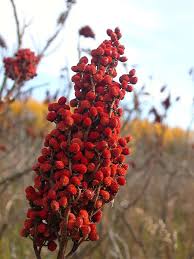
1 teaspoon sumac (sumac powder might be hard to find in the US, despite the fact that sumac bushes abound. You can harvest your own from a weedy patch-- being careful to avoid the poison-ivy-like poison sumac-- or check out a kosher, middle-eastern, or possibly Indian grocery store. You can try replacing the sumac with paprika, although the bittersweet flavor of sumac adds something special to this recipe.) 
1 teaspoon cumin

oil, to fry (Just enough to coat the pan is ok. I never deep-fry these.)

For the green tahini sauce:

1 cup tahini (available in most grocery stores-- this is sesame seed butter, and it's an ingredient in hummus as well as halva. In Hebrew, tahini is pronouned tachina.)
4 cloves garlic (Yes, 8 cloves garlic total. Israeli food is FULL of garlic!)
1/4 cup lemon juice
3/4 cup water
1 1/4 cup coarsely chopped parsley
salt
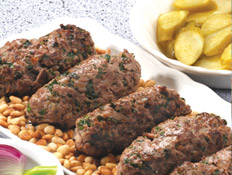
  1. To prepare the meatballs: Mix all the ingredients of the meatballs in a bowl, and form the mixture into oval-shaped balls (kind of flat and long, like in the picture). Heat up the oil to fry, and fry the ketzitzot in the hot oil (high heat, fry until they are firm and golden). 
  2. To prepare the tahini: Put all of the ingredients of the green tahini into a food processor, and mix to a thick sauce. (If it's too thick, add more water. If you want it to look more like the picture rather than a green paste, add in the parsley only at the end.) Taste, and adjust seasonings.
  3. To serve: Divide the meatballs onto individual serving plates, and spoon over them three tablespoons of the green tahini. Serve with hot pitas.
So that was my first Israeli recipe. By the way, ketzitzot are a very popular Israeli food, which makes it all the more strange that Cloudy with a Chance of Meatballs became Geshem shel Falofel (Falofel rain) when it came to this country. If you've never had Israeli meatballs, definitely try this recipe-- no spaghetti involved!

What was the first time you felt like an Israeli cook? What are your favorite Israeli recipes? What Israeli foods would you like to learn how to cook?

20.11.09

Hebrew words that sound like English but mean something else


One of the more confusing things about learning Hebrew is that some words sound like English but don't have the same meaning as their English counterparts. Or rather, their meaning has taken a life of its own in Hebrew, such as the way "super" means "grocery store" here. (In many cases, these words came to Hebrew from a different language, like French.) We all know of הוא (sounds like "who," means "he"), היא (sounds like "he," means "she"), and דג (sounds like "dog," means "fish"). Here are a few examples you might not learn in Hebrew school:

Hebrew word: cuckoo (קוקו)
Sounds like:

Actually means:

"Cuckoo" in Hebrew means ponytail. Does anyone have any idea why? Maybe ponytails swing off your head like the weight in a cuckoo clock?

Hebrew word: mommy (מאמי)
Sounds like:

Actually means:
This is Miri Mesika's absolutely gorgeous song, "Mami," and no, she isn't singing to her mother. In Hebrew, "mami" actually means "sweetie," and it's a term of endearment you might use for a friend as well as a lover. Another term of endearment is "boobie," but I didn't want to post a picture of what that sounds like.

Hebrew word: bagel (בייגלה)
Sounds like:

Actually means:

Bizarrely enough, bagels are pretty hard to find in Israel. When someone asks you if you want a "bageleh," they're usually not offering a little bagel-- they're offering a pretzel.

Hebrew word: nylon (ניילון)
Sounds like:

Actually means:

Who knows why, but a plastic bag (particularly the kind that you can get at the grocery store) is called a "nylon" here. (Sometimes you hear "sakit nylon," nylon bag.)

Hebrew term: kabob (קבב)
Sounds like:

Actually means:

When I was first offered a "kabab" in Israel, I expected a shish kabob-- in other words, chunks of meat and veggies roasted in a stick. Instead, "kabab" in Israel (and it most of the Middle East, I suspect) means ground meat and spices shaped into a kind of sausage. Traditionally, they're shaped around a stick, but not always. If you actually want a shish kabob, ask for a shishlik (שישליק).

Hebrew term: salat mayonnaise (סלט מיונז)
Sounds like:

Actually means:

Actually, potato salad basically is mayonnaise salad, so maybe that one is not misleading after all. Israelis just have a more honest take on the salad's primary ingredient.

Hebrew word: Mafia (מאפיה)
Sounds like:

Actually means:

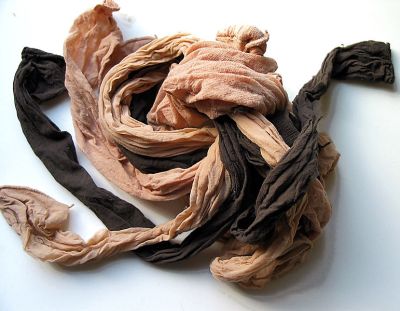
(That isn't an Israeli bakery. If it were, some of those pastries would be mushroom-filled.) Technically, the Hebrew word for bakery is pronounced ma-a-fi-a, and it comes from the verb "leefot," which means "to bake." I was relieved to discover this after being told to go down the street to buy bread from the mafia. On the other hand, if someone tells you to buy your challah from one of the mishpachot pesha... you're probably in Netanya.

I can think of a few more. French fries are "chips" (although that should come as no surprise to anyone who has traveled outside the US), the secular New Year's Eve  is "Sylvester," etc. To me, "arse" (the term for a slicked-up, dressed-to-the-nines in too-tight and overly-trendy-clothing young-mizrachi-guy) always sounds like the British word for, er, hindquarters. This blog post offers a great list of some more Hebrew faux-amis.

What are your favorites? Have you ever been confused by a sound-alike Hebrew term?

18.11.09

Grocery shopping like an Israeli

There are a lot of differences between Israeli and American grocery stores, as I learned on my very first day in Israel. I was strolling down the street, feeling all cool and Israeli, and I decided to look around the inside of our local Machsane-Lahav.

By the way, basically half of the big stores in Israel these days is calls Machsan-something. Machsan means "warehouse" (or storage room, as in the machsans on the ground floor of most apartment buildings) and I guess it indicates "cheap" and "big" to the Israeli consumer. I bought our fridge in Machsane-Chashmal (Electrical Warehouse), I passed a lamp store called Machsan-Teorah (Lighting Warehouse) last night, a butcher shop might be Machsan-Basar, etc. Machsane-Lahav means "Flame Warehouse"... I'm really not sure where that one comes from.

Anyway, on my first day in Israel, I strolled into the grocery store (known as a super in Hebrew--pronounced "soo-pear" and short for "supermarket," I guess). A guy standing at the door tried to get my attention as I waltzed in, but I had heard Israeli men tend to be aggressive. Was I going to be the clueless American who made eye contact and encouraged Israeli pickup artists? Not me! I was Israeli! Cool as a melafafon, I strolled towards the bread section, only to see the guy coming after me and shouting... and he had a gun.

Turns out he was the security guard at the door who was supposed to check my purse before I entered. Oops. And for the record, having pretty decent Hebrew when you arrive backfires when you need to convince a security guard that you are a fresh-off-the-plane olah who didn't know any better.

These are some other fun things you should know about shopping in an Israeli super:
  • Be nice to the security guys. If they get to know you, they'll let you go in without being searched. Also, they can watch your little-old-lady-wheeled-cart (post about that later) or your bags of veggies from the yarkan (post about that later too) or your stroller at the door while you go shopping.
  • The grocery store (unless it's a non-kosher basar-lavan-selling chain like Tiv-Taam) will close early on Fridays and be closed all day on Shabbat and holidays.
  • If you have just one or two items, Israelis almost always let you cut in front of them in line if you ask.
  • The check-out lady might not say "thank you" or "have a nice day," but she will tell you that you have only bought one bottle of olive oil when you get a better price for buying two, and she'll wait for you to go get another bottle. She will also attempt to sell you a range of products from dark chocolate to hand lotion that she has sitting on her checkout counter. She will also do this for all of the people ahead of you in line, which means you should be prepared to wait for a while to check out.
  • Buy-one-get-one-free in Hebrew is denoted in simple math: 1+1 (echad ploos echad). Buy two get one free is 2+1 (shteim ploos echad) and is WRITTEN as 1+2... Hebrew goes right to left, remember? (Thanks for a commenter for reminding me of this!)
  • You probably need to bag your own groceries and you probably need to ask the checkout lady to throw some bags up on the checkout counter for you.
  • When you buy more than, say, 200 shekels of groceries, you will be asked "kama tashlumim," which means "how many payments?" If you want to pay everything at once, you can say "echad" or "ragil" (normal). A rumor circulates among olim that the way to ask to pay everything at once is to say "makah" (hit), but when an Argentinian told me this in the checkout line once, the checkout lady said she'd never heard it before.
  • On your receipt when you pay with a credit card will be two lines. The top is for your signature, and the bottom is for your phone number. To be really Israeli, don't write your phone number in this space unless the checkout lady insists. This would be giving away information. I've barely ever written my phone number on a receipt, despite the fact that every receipt contains a spot for it.
I think I'll devote a whole post some time to the differences between food packaging in Israel and the US. What general super shopping-tips did I miss? Have you had any adventures in Israeli grocery shopping?

18.10.09

There's no pork in Israel...


...just a bunch of euphemisms: "basar lavan" (white meat), "basar acher" (other meat), etc.

Most grocery stores in Israel are kosher. At our local Machsane Lahav, I don't need to look for hekshers to know that all the meat is kosher and the margarine parve. This grocery store also closes every Shabbat, which means that if we run out of milk on Saturday, we have to wait until Sunday to buy more. This is one thing I love about Israel; keeping kosher in the US took real effort, but here it's effortless.

Eating treyf, on the other hand, takes effort. It might even involve a trip to the chain store Tiv Ta'am, set far back from the road-- and open on Shabbat. Tiv Ta'am specializes in imported goods and all those nonkosher meats that Israelis see as delicacies. (The difficulty of buying pork raises its value... many Israelis love ordering pig or shrimp when they travel abroad.) But even at Tiv Ta'am, delicate euphemisms prevail in place of the word "chazir," pig/pork. In the picture above, you can see pig parts at Tiv Ta'am ranging from tongues to hearts. Sorry, did I say "pig" parts? I mean "white"... "white tongue," "white heart," "white tail"...

I'll stick with the other other white meat. (As in, chicken. My husband felt I should specify. This is a no treyf zone!)

1.6.09

For some balance... "What's Missing in America"

Ok, so I'll admit that I talk a lot on this blog about things that are "missing" in Israel. Drip coffee makers, apple cider vinegar, molasses, actual vanilla extract, natural peanut butter (you can barely find the unnatural kind), M&Ms, swiffers, graham crackers, and more. It's not that there aren't excellent Israeli alternatives-- I'd take hummus or date butter over peanut anyday-- but, well, we all miss familiar things when we move.

So for a bit of perspective, my husband directed me today to this article in Maariv's website, www.nrg.co.il. The author (Nofar Chaimovitch) writes a column about living as an Israeli in NYC, and the article's title translates to "The Things You Won't Find in America." The article's first two paragraphs say it all about the Israeli attitude towards America, really. Here's my rough translation (please correct me if I get any parts wrong):

There is no doubt that America contains many good things. After all, it's America-- the country of capitalism and free enterprise. Every good idea is enough to turn an ordinary person into a millionaire, and everything here is big and beautiful and new and innovative and sophisticated-- but nonetheless, some things are lacking in America.

And true, it is possible to find these things in your local Israeli supermarket or specialty shops not far from Manhattan, but not in your neighborhood store. So we, the Israelis living in America, have to convince family and friends to send us what we crave or even to bring it with them (yes, it's legal). So here's a list of a few basic things that are missing here [in America].
Here's the list of things missing in America:
  • Scotch Brite. From the article: "Just as Americans don't know how to wash floors, so they don't know to use Stotch Brite when they wash dishes. Basically, Americans have too much water-- so they put all the dishes in a full sink of water and wash them with a different kind of brush. ..." Personally, Scotch Brite looks to me like just another scrubber that DOES exist in America... can anyone enlighten me? Is this something I should be using?
  • Floor Rags. I find this one really entertaining because one of my earliest blog posts dealt with the difficulty of using Israeli floor rags to mop the floor. Apparently, the author thought it was hillarious that a friend of her parents who had moved to New York City in the 70s asked her to bring floor rags with her when she came to America... until she arrived in the US and discovered, to her shock and horror, that "in the 21st century, there are no floor rags in America and Americans still think that to pass a dry mop over the floor is considered cleaning."
  • Laundry. What the author really means is that laundry detergent powder is almost impossible to find in America... however, she actually decided that she likes liquid detergent. I remember trying to wash my clothes when I came to Israel for the first time during college, and being utterly unable to find detergent in the grocery store. I was looking for liquid! The author also talks about needing to bring her laundry to a laundromat-- almost every Israeli apartment contains at least a hook-up for a washing machine. (You often bring your own washing machine with you when you move.)
  • Bamba. For the uninitiated, "Bamba" is essentially peanut-flavored Cheetos. And I agree with the author here-- it's kind of bizarre that Americans "spread peanut butter on every existing thing, including cookies and chocolate and sandwiches with jam" but are disgusted by Bamba. I wonder the opposite, though-- how can Israelis love Bamba and not be into PB & J?
  • Chocolate Milk in a Bag. (See picture at the top of the post.) Ok, this is just one of those Israeli things that my husband remembers with great joy from his childhood... and that I just don't get. But yes, you can buy chocolate milk in little bags here. (In fact, we buy milk in bags in general-- I should post about that some time!) "Shoko beSakit" (Chocolate [milk] in a Bag) is a bit like a juice box, except that instead of using a straw, you simply bite or cut the corner off the bag and kind of pour it into your mouth. It's an art.
  • "Mekupelet." This is a kind of Israeli chocolate bar (called "folded" because of its wrinkly texture), and I have to admit that I don't like them very much. To me, they taste like what happens when you leave chocolate in the sun too long and it melts and then re-hardens. And they look like... er... never mind. But according to this ex-pat Israeli, "There's no denying that mekupelet is one of the most brilliant inventions that there is."
  • A4 paper. Yup, the 8 1/2 by 11 inch printer paper we use in America doesn't exist in Israel... and the Israeli (probably international) A4 paper size is hard to find in the US. I finally caught on to this one after a few months of wondering why there would be white space and cut-off margins when I printed here. If you're curious, an A4 page is 8.27 by 11.69 inches. As Nofar says, "America has to be special."
  • Canned mushrooms. (By the way, I'll admit to cheating with the help of Google Translator to help me understand this page, and according to Google Translator, this entry is about "A box of mushrooms Gambling." But trust me, we don't have gambling mushrooms in Israel.) Is this really true, though? You don't have canned mushrooms in America? It took Nofar months to find canned mushrooms, but I seem to remember seeing them in Giant Eagle. Of course, there probably wasn't a whole end-of-aisle display of canned mushrooms as there are in our supermarkets here.
  • Daxemol. This is a kind of pain killer/fever reducer/cold remedy available only in Israel. I have to laugh when I read this and remember all the panicked e-mails on the Nefesh b'Nefesh list-serve: "What?? There's no Tylonel in Israel??" True, but there's also no Daxemol in the US!
  • Vegetable peelers. Ok, I'm mystified by this one, because I definitely did use vegetable peelers in the US. But according to Nofar, American peelers rust in two weeks and don't work nearly as well. Plus, if you go to look at the picture in Nofar's article, you'll see that Israeli vegetable peelers are a different shape than your average American peeler-- and I'll agree that they work much better.
  • Cotton wool. In Israel, you can buy a bag of cotton-- not cotton pads, not cotton balls, not pretty little square cotton makeup removers, but just a bag of cotton that you can tear off and use as you wish. And that's the kind of thing Israelis miss in America.
Personally, this article gave me great perspective-- just as I miss some things I could easily find in the US, Israelis miss a great deal when they leave this country. And the fact is that people in both countries manage to survive-- Americans with their dry, dirty floors and lack of Dakesmol, and Israelis with their powdered laundry detergent and lack of M&Ms.

So if you really want to be Israeli but still live in the US, start grousing about the quality of American vegetable peelers!

28.5.09

Happy Shavuot!


On Shavuot, both super-secular and super-religious Israelis stay up all night to celebrate the giving of the torah on Mount Sinai-- see this great post from Isreality: The White Holiday. Well, actually I'm not sure the Tel Avivians running around in white clothing all night are really thinking about the Torah... but then I doubt that all Americans on Easter Egg hunts are thinking about death on the cross. I honestly didn't realize Shavuot existed until college, but here-- like every other Jewish holiday-- Shavuot is celebrated on TV, in the crowded lines of people buying cheeses in the grocery store, in the homes of everyone I know.

We're staying home and eating a dairy meal: Spanikopita and Salmon, as well as cheese cake for desert. This may not sound particularly Israeli (and probably isn't), but I did decide to do something Israeli for my cheesecake: I followed an Israeli recipe.

Let me explain: you can get most of the same ingredients that we use for American cheesecake here, just as you can get coffee grounds. But this takes effort. American-style cream cheese, for example, is harder to find-- and it is named after places in the US, like "Philadelphia" and "Alaska." (On Shavuot, of course, the dairy and cream cheese section of our supermarket doubles in size, and I could have found "Philadelphia.") The more common Israeli cream cheese, on the other hand, which I used in my Israeli recipe this year, is a little more watery. Some Israeli cheesecake recipes even use labaneh (which is something between a cheese and a yogurt) in place of cream cheese altogether. I have not seen American graham crackers anywhere in Israel; instead, we have "petit-beurre" (or "peti-bar") cookies.

I decided to opt out of the more adventurous recipes in my Israeli pastry cookbook-- cheesecake with dates in the filling, for example. Maybe next year.

Like anything else, making cheesecake after aliyah takes an adjustment-- but the result (sitting in my fridge right now) looks delicious. Happy Shavuot!

25.5.09

The Miracle of NesCafe... (coffee cup aliyah)

In the US, I wasn't exactly a coffee snob, but I liked my fresh ground coffee dripping into my cup every morning. And maybe a few times each morning. And maybe with peppermint-flavored coffee creamer thrown in for good luck.

When I first arrived in Israel, in fact, ground coffee was one of the things I desperately missed-- I didn't feel the right buzz from instant coffee, which is all that was available in my husband's aunt and uncle's house. My husband earned huge points when he found me a French press in a department store, and I started preparing Turkish coffee in a French press every morning. It wasn't quite fresh drip, but it was pretty good. Already, though, my slippery slope into Israeli coffee drinking had begun-- for some reason, Turkish coffee tastes better without milk (but with plenty of sugar). For the first time in my life, I started to drink my coffee black.

Then I broke the glass part of the French press, so I started making Turkish coffee the Israeli way-- heating up the grounds in a little finjan (a saucepan, basically) on the stove. Ok, it wasn't totally authentic, because I wouldn't cool down my coffee and reheat it several times until it had truly become black sludge. But I used enough grounds that my coffee could still corrode metal.

Then I decided that maybe it WASN'T such a good thing that my hands were shaking for hours after my morning cup-- or two-- of Turkish coffee. I also decided that Turkish coffee is a huge pain to clean up, because rather than be filtered out, the grounds collect in the bottom of the finjan, the cup, and (of course) my sink when I tried to clean everything out.

So finally... somehow... I have become an instant coffee drinker, like most Israelis. In fact, you can go to coffee shops and order Nescafe (or in more generic terms, cafe namess). Somehow, this country of caffeine addicts subsists on expensive espresso and instant coffee with very little in between. So here I am, on the watery and light side (until I add in that extra spoonful of instant coffee granules, and plenty of milk and sugar)... maybe I really have become Israeli!

Oh, a word to the wise: if you want to order a latte equivalent in an Israeli coffee shop, it's called a "cafe hafooch"-- an upside-down coffee. I was mystified about this at first and used to just order whatever the person ahead of me in line had ordered. **Update-- Miriam offers a convincing explanation in the comments of why "cafe hafooch" is called what it is! **

***********
What War Zone???, a hilarious blog about life as an oleh, is hosting Havel Havelim this week. (Actually, technically Benji is hosting. As far as I know, his blog doesn't spontaneously generate its own content. Although that would be cool.) Check it out!

30.4.09

The Israeli National Pastime: Mangal!

"Mangal" is the Hebrew word for "Barbeque," which always struck me as a little funny-- mangled meat roasting on a grill. However, "mangal" in Israel is a national pastime, and a very integral part of days off, going to parks, Saturday afternoons, what have you. Israel on the weekend smells like barbequeing Kababs (sausages), chicken, steaks. And it isn't Yom HaAtzmaut without some mangal, as well as the International Bible Quiz championship... which is kind of like the National Spelling Bee, only in Hebrew and about obscure portions of the Tanach.

We celebrated Yom HaAtzmaut yesterday at my husband's aunt and uncle's house. My husband's aunt (a good Polish mother) prepared about 500 types of salads--several involving eggplant and none involving lettuce. His uncle (a Romanian grilling master) cooked chicken breasts, kababs, spicy sausage, chicken hearts, a curious concoction of animal innards wrapped in foil, and more (the "more" involving what is delicately known as "basar acher"-- as in, the other white meat... oy... we didn't partake). And then about 12 kinds of cakes for dessert. Altogether, we passed out from calorie overdose after we came home from the barbeque... and I didn't get a chance to post yesterday. I think my brain is still swimming from the rush of sugar and protein.

I was just talking on the phone to another member of the Olim Omrim blog, btw, about how Independence Day in Israel is a much bigger deal than Independence Day in the US. On July 4th in the US you maybe grill, maybe go see fire works, maybe have a picnic... but here we have dancing, singing, concerts, speeches, candle-lighting, fireworks, parties. Then I realized that this reminded me of the description of Independence Day celebrations back in the wonderful "Little House Book" series by Laura Ingalls Wilder. Back in the 1800s US pioneer life, independence still meant something. Here, too, we know that independence can't be taken for granted and should be celebrated to the utmost.

Happy Yom HaAtzmaut (a day late)!

19.4.09

Make your own hummus!


Contrary to the image portrayed in Don't Mess with the Zohan, Israelis do not brush their teeth or style their hair with hummus (chick pea spread, pronounced CHOO-moos). However, we do just about everything else with it. Eating a hot dog? Stick it in a pita with hummus. Eating bread? Dip it in hummus. Preparing chicken breast? Season it, sautee it, and serve it over hummus. In fact, just about the only thing that Israelis don't seem to do with hummus all that often is exactly what Americans do with hummus most often: use it as a dip for vegetables. (Am I wrong?)

Despite the fact that we can get about 100 different varieties of hummus in the grocery store, most Israelis know how to make their own. I find that homemade hummus is tastier and healthier (no preservatives) than anything in the grocery store, plus (if you use dry chick peas) much cheaper. It took me a while to post this recipe because I had to actually figure out measurements, but the hummus I made last night turned out really well-- AND I remembered to measure all the ingredients. My husband will vouch for this hummus!

My Humus

Ingredients:
1 cup dry chick peas (garbanzo beans)
1 tsp salt
4 Tbs tahini (I use tahini made from the whole sesame seed-- it looks brown so I assume it's healthier :)
Juice from one lemon (about 2 Tbs)
3 garlic cloves, minced
1/2 tsp cumin (optional)

Optional toppings:
Olive oil
Paprika
Zatar (a middle-Eastern spice blend)
Parsley
Whole cooked chick peas

Preparation:

1. Soak the chick peas in plenty of cold water for a few hours or overnight. (The chick peas will just about cover the bottom of a medium saucepan. Fill water about half way up the saucepan.)

2. Generously salt the water (I take a few large pinches of kosher salt-- be generous because this is what will salt the hummus itself) and simmer the chick peas for a few hours, until soft. While the chick peas are still warm, spoon them into a food processor along with the rest of the ingredients. Using the food processor blade, blend to a smooth paste, adding enough of the liquid from the chick peas to make a smooth paste. (One of the great things about using warm, freshly-cooked chick peas is that the paste will get a bit more solid as it cools. So add plenty of water so that you get an easily-blended paste, about the consistency of mashed potatoes.)

3. Transfer the hummus to a serving or storage container. Add topings if you wish. The easiest topping is a bit of drizzled olive oil and a sprinkling of paprika. You could also drizzle olive oil and sprinkle a different spice or herb, such as cumin or zatar. Or, you could chop up some parsley and whole chick peas, set on top, and drizzle with olive oil. Chopped olives would be good too. Use your creativity! This recipe makes about a pint of hummus.

In my experience, hummus lasts over a week in a sealed tupperware in the fridge. In fact, er, we've probably eaten it when it's at least two weeks old. I've never tried to freeze it-- does that work?

A note about my recipe: I don't include as much tahini or lemon juice as some do, because I don't like a bitter flavor. I do like a LOT of garlic... so adjust according to your taste. :) I don't always add in cumin, and I sometimes add just a pinch-- I don't like a strong cumin taste. If you want to make reddish hummus, add some spicy paprika to the paste itself! Also, sometimes my chick peas never seem to get totally soft when I cook them, but if I blend them up when they're warm the hummus still turns out smooth and delicious.

And, er, if you want to make the presentation a bit nicer, pick a nicer container and wipe its sides after you put in the hummus. Sorry that the picture above is mildly disgusting.

Enjoy! How would you modify my hummus recipe?

16.4.09

Happy Mimouna!

(Not my mimouna table... picture from http://www.onejerusalem.com/)

Last night, my husband and I went out on a bread-finding mission... it's now no longer Pesach in Israel! (And, honestly, I barely felt the trial of Pesach-eating here. We'd barely finished seder leftovers and it's already no longer Passover! Maybe it's psychological: knowing that at any point during the holiday we could actually go out to eat in kosher-for-Passover restaurants made it much easier to feel unburdened at home. I LOVE having one Seder and only seven days of the holiday!)

At any rate, we ended up at our favorite local pizza shop, which is actually owned by Moroccans (you can order jachnun with your pizza if you'd like!). They had Mizrachi music blaring, and in front of hanging carpets, three generations of women in the owner's family stood selling cookie trays and frying mufleta, which are essentially a cross between a crepe and malawach. Mufleta are made of thin, flexible, buttery dough, and they're traditional on the north African Jewish holiday of Mimouna-- today! You eat mufleta covered in honey and butter, and they're delicious.

I'd never heard of Mimouna before, but you can read an excellent summary of Mimouna traditions here. It's a holiday celebrated the day after Pesach ends, and the name "Mimouna" is either (Depending on your interpretation) is based on the great rabbi Maimonedes or on the word "emuna," meaning "faith," or on the Arabic word for "luck." The essential idea seems to be that right after Passover we celebrate our deliverance from Egypt and G-d is specially open to our prayers-- particularly prayers for matchmaking. The woman making mufleta wished I might find a good man, and when I told her that I already had, she wished he might become better. :) I asked her if non-Moroccans can celebrate Mimouna, and she said that here in Israel, everyone can do what makes them joyful. (Still, I doubt I'll be serving platters of "live fish" the day after Passover from now on-- could the website about Mimouna really mean that one?)

So, happy Mimouna! Tarbechu vetisadu-- may you be prosperous and lucky.

12.4.09

You know it's Passover in Israel when...

Non kosher-for-Passover items covered up in our local grocery store

You know it's Passover in Israel when you go to the grocery store and find 200 varieties of kosher-for-Passover desserts and no remaining eggs. :)

No long post today-- I figure if you average this post length with my post yesterday, you get something reasonable. We're off to camp out for two days in the Golan. See you when I return!

5.4.09

It's not soup without shkedei marak!


At least, that's what my husband believes. It doesn't matter what kind of soup I make-- pumpkin curry, for example-- he fills his soup with shkedei marak, which literally translates as "soup almonds." These cruchy, salty crutons are essentially osem soup powder in tiny cracker form.

I'm more and more convinced that the picture on our bag of shkedei marak above is not of a bowl of shkedei marak alone but rather of soup WITH shkedei marak, because the fact is that to many Israelis (especially those under 12, but who's counting?) the correct proportion of shkedei marak to soup is about 2:1-- two parts shkedei marak, one part soup. If it's possible to see the broth, you need more shkedei marak!

In fact, just yesterday my husband's aunt was talking about how (in the 60s) she used to eat shkedei marak by the handful-- her father ran a little grocery story (a macolet) and for some reason that meant shkedei marak were more plentiful than bisli. In fact, even though more Americans know of bisli's existence than of shkedei marak, I think shkedei marak are the true Israeli snack.

Why am I posting such a chametz-ish post right before passover? Because we recently discovered that Israeli grocery stores stock kosher for passover shkedei marak! Ok, so the kosher-for-pesach version tastes like potato chips and splinters (rather than crunches) in your mouth. I don't care. I love this country! And now I know my husband will eat my matzo ball soup... :)

***

Check out the new Heveil Heveilim! I love how easy it is to read this time!

11.3.09

Carrot Sticks do NOT belong in Mishloach Manot

My origami-boxed mishloach manot

Just one more Purim-related post, for all my friends in Shiloh and Jerusalem who are celebrating Shushan Purim. :)

When I was trying to decide what to put in the mishloach manot (traditional gifts of food) that I would send on Purim, my first thoughts were to go for things like fresh fruit and crackers. This made sense based on what I'd experienced in America. My husband explained to me that this is NOT how things are done in Israel. Here, mishloach manot should contain nothing with more nutritional content than Bamba (which, for the uninitiated, are a lot like Cheese Whizzes only flavored with peanut butter). Ideally, mishloach manot contain chocolate, hamentaschen, hard candies, and more chocolate. Maybe a small bottle of wine, but the antioxidants in red wine might make it just a bit too healthy to include.

Therefore, I went nuts on Monday baking cookies. I also found an amazing recipe for hamentaschen in an Israeli cookbook. I've never seen a recipe like it in the US. Here's my best translation!

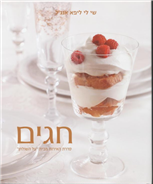
From the book Chagim (Holiday Entertaining), by Shai Li Lipa Angel. Apparently you can order it in the US through the Israeli bookstore chain Steimatzky-- http://www.stmus.com/prod/product_info.php?products_id=2595&language=en

This cookbook contains creative recipes for every holiday (including Israeli specialties for Independence Day), and the Hebrew in the recipes is quite easy to understand. I've only made a few recipes from this book so far, but they have all been fresh and delicious. (I love the simple recipe for goat cheese-stuffed dates!)

Disclaimer: this is my best translation of the recipe. And even if I misinterpreted parts, my version tasted better than any other hamentaschen I've made!

Oznei Haman
(Hamentaschen-- although the Hebrew literally tranlates to "Haman's Ears")
Makes 25

Ingredients:
320 grams (2 1/4 cups) flour
200 grams butter, softened
100 grams powdered sugar
1 egg
1 tablespoon smooth jam

Filling:
2/3 cup jam (or neutella or chocolate spread, carob butter, or more-- I used date spread!)

For decoration:
Powdered sugar

Jam in the dough? Yes. It's true that it's just one tablespoon, but it makes all the difference. You get a pastry that is crunchy and melts in the mouth. Oznei Haman with the taste of "paam" (yesteryear, essentially), in the best sense of the word.

Click on the image to enlarge:


1. Preparing the dough: Mix together all the ingredients in a big bowl with your hands until it comes together into a ball. If the dough is sticky (mine was), add some flour. Wrap the dough in plastic wrap (nylon) and chill in the refridgerator for an hour.

2. Preheat the oven to 180 degrees C (about 360 degrees F)

3. Fill and bake: Roll out the dough until it is about a half centimeter thin. (I think I made mine a bit thinner.) Using the rim of a class or a cookie cutter, form circles about 8 cm across. Place a flat teaspoon of the filling in the center of each circle, close each "ear" (i.e., fold in the sides of the circles), and place on a cookie sheet covered in parchment paper.

4. Bake 15-20 minutes, until the pastry browns slightly. Sprinkle with powdered sugar. Keep in a closed container for up to a week.
~

Did I mention that Israeli recipes use odd measurements like grams, centimeters and celsius? Believe me, I'm still confused about how many grams of butter make a half cup. This is why the first half of the oatmeal cookies that I made from an American recipe spread to a crispy, lacy film on the cookie sheets... I think they were a little butter-enriched. If anyone can tell me how many cups are in one of our sticks of butter here, I'll be eternally grateful. The hamentaschen, on the other hand, turned out beautifully-- exactly like the picture in the recipe, just a little more brown than golden. I'm not so good at the whole "not burning food" side of baking. But it was nothing that a generous amount of powdered sugar at the end couldn't cover up...

If you're looking to entertain on the holidays like an Israeli, buy this cookbook! :) And remember, the more calories you can fit into your mishloach manot, the better. Feel free to treat yourself to your very own shushan purim hamentaschen feast... I know I'm still enjoying all those butter-enriched cookies. :)

1.3.09

Put Osem Soup Powder in EVERYTHING

When I first started dating my husband, we would often eat Friday night dinners at his parents' house (they're Israelis living in the US).

Anyway, every week my mother-in-law made the most amazing soup EVER. I would try to recreate it in my apartment with lentils, chicken, celery, tomatoes, dill, parsnips, parsley. Inevitably, my broth would taste like water or, at best, weak parsnip-flavored tea.

Once my future in the family seemed secure enough for the transmission of state secrets (i.e., for me to help cook Shabbat dinners), my future m-i-l told me the mystery ingredient...

Osem Soup powder.

You dump a few heaping tablespoons of this magic powder (available in kosher grocery stores in the US!) into water, and instantly you evoke soup simmering for hours in a shtetl kitchen, mixed with Cup-a-Soup and a lot of salt. Even better, Osem makes vegetarian chicken soup powder that tastes like the real thing, meaning that I finally have an answer to all of those recipes that call for chicken broth in cream sauce!

When I came to Israel, I realized that this fairy dust has infinite uses. My ulpan teacher told us about how she puts soup powder in everything (including her husband's soups, which he refuses to powder because of some silly objection to preservatives. As if parve chicken soup powder could be anything but all-natural). Soup powder is ideal in:
  • Casseroles (especially "pashtidot," which don't have a good translation in English)
  • Chopped liver (which I made for my husband on Valentines Day-- it's an unsung aphrodesiac!)
  • Stir fry
  • Mashed potatoes
  • Kugel
  • Matzo balls
  • Pasta sauce
  • hummus
  • mujaddrah
I have yet to try soup powder into Israeli salad, challah, or cheese cake, but I'm sure it would be delicious.

We had an Argentinian chef called Alberto in my ulpan class, who shared with us the recipe for French Onion Soup that he prepares at a fairly nice Italian restaurant in Haifa. Onions, butter, flour, water, white wine-- and Osem Onion Soup mix.

Are there any fun uses for soup powder that I missed?

23.2.09

Make Israeli Salad!

Israelis love to make fun of the way Americans prepare salad. "They just take a bag of lettuce out of the fridge," my husband's (Israeli) aunt says, gasping with laughter, "put it in a bowl, squirt dressing on top, and they think they made salad!" To Israelis, "salads" are haroset-esque mortars of diced vegetables, possibly including eggplant. In restaurant salads, you can sometimes spot small, shredded strips of lettuce gasping for air among the chopped peppers, sauteed mushrooms, sticks of cucumber, sprigs of cilantro, and chunks of goat cheese.

If you want to be Israeli, you must master the art of the Basic Israeli Salad.

Ingredients:

Two small tomatoes
One medium cucumber (preferably, one tender enough to leave skin on)
One small onion (or half an onion, to taste)
1 tsp extra virgin olive oil
2 tsp lemon juice (or juice of 1/2 lemon)
Salt and pepper to taste
Optional: One bell pepper

Preparation:

Dice all of the vegetables into very small cubes (the smaller the better, as an issue of national pride). Add in lemon juice, olive oil, salt and pepper. To make it even more colorful, use yellow peppers and purple onions. Mix and enjoy!

To be truly Israeli, serve this salad with every meal, especially breakfast. (No, really! Israelis love salad for breakfast, along with pitas and hummus and hard boiled eggs.) I thought it was weird at first to put salt and pepper on salad, but don't leave them out-- they bring out the flavor of the veggies beautifully, and I actually now use this same dressing when I have a fit of American rebellion and prepare--*gasp*-- salad with lettuce. (I'm so sorry. I do slip up. I also sometimes... I'm so embarrassed to admit this... I sometimes eat cereal for breakfast. In fact, almost always. I'm still working on being Israeli, ok??)

Betei Avon*! What are your favorite Israeli foods?

*Hebrew for "bon apetit."
Related Posts with Thumbnails